
Are drain Chains Safe for Pipes With Channel Rot?
While we suggest using a Picote Smart Spider in drains with channel rot, we do understand that our customers might not have one on hand.
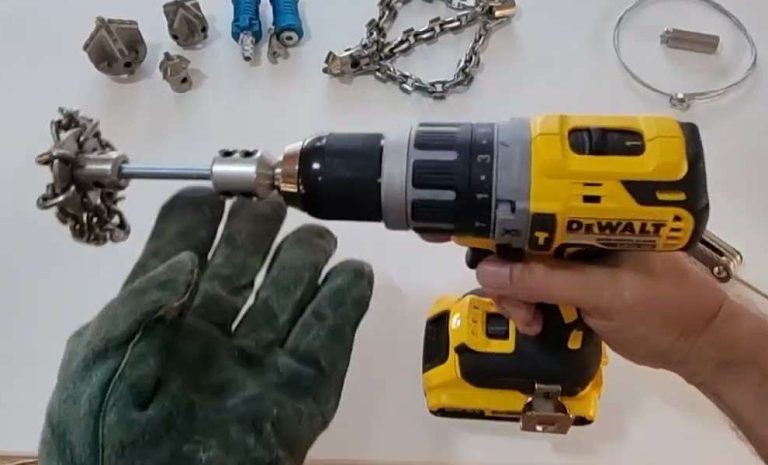
When using a flexible shaft for drain cleaning, one of the most important factors for success is selecting the proper drill speed. The speed at which your flexible shaft rotates plays a major role in how effectively you clear blockages, remove scale, or cut through tough root growth. This article will guide you through the ideal drill speeds for various drain cleaning tasks.
Drill speed is expressed in revolutions per minute (RPM), which measures how many full rotations the drill shaft makes each minute. The appropriate RPM depends largely on the type of blockage you’re addressing and the tools attached to your flexible shaft.
For lighter jobs such as removing grease, minor buildup, or soft scale, a lightweight chain combined with a flexible shaft suited for light work is typically used.
When handling tougher mineral scale or heavier deposits, a more robust setup with a heavy-duty chain is necessary. A higher speed helps the chain cut through hardened scale faster.
For the most challenging situations like solid blockages or root intrusion, running the drill at the highest speeds is key. Using a heavy-duty chain at this speed range delivers the power needed to break through dense obstacles.
Choosing the right drill speed is essential to ensure efficient and safe drain cleaning. Understanding how different RPM settings affect your tools and the cleaning process will help you get the job done faster, with less risk of damage.
We’ve also created a video covering this topic — you can watch it here. If you have any questions about flexible shaft drain cleaning or want equipment advice, don’t hesitate to get in touch.
While we suggest using a Picote Smart Spider in drains with channel rot, we do understand that our customers might not have one on hand.
After drain descaling it is tempting to stop as soon as the camera shows a cleaner pipe wall. However, the scale, rust, grease and other
Hydro jetters and flexible shaft machines are both powerful tools for professional drain cleaning, but they work in very different ways. A jetting machine uses
Introduction When working with professional drain cleaning equipment, transporting and handling flexible shafts can quickly become a challenge, especially when dealing with longer, heavier cables.
 Български
 Hrvatski
 Čeština
 Dansk
 Nederlands
 English
 Eesti
 Français
 Deutsch
 Ελληνικά
 Magyar
 Italiano
 Lietuvių kalba
 Polski
 Português
 Română
 Slovenčina
 Slovenščina
 Español
 Svenska