
Drain Descaling: What Should You Do With the Debris?
After drain descaling it is tempting to stop as soon as the camera shows a cleaner pipe wall. However, the scale, rust, grease and other
While we suggest using a Picote Smart Spider in drains with channel rot, we do understand that our customers might not have one on hand. Using drain chains in a pipe with channel rot is possible, but it is worth slowing down. Channel rot is common in older cast iron drain lines. Years of flow can wear away the bottom of the pipe, leaving a rough channel, thinner pipe wall or places where the original wall is no longer there.
That does not automatically mean the drain cannot be cleaned. A carefully chosen chain may still help improve flow, remove lighter scale and give a clearer camera view. The aim is not to make a badly worn pipe look new again. It is to clean what the pipe can safely tolerate, understand its condition and help the customer decide what comes next.
A camera inspection is the best place to start when you are considering drain chains for channel rot. It helps show how deep the channel is, whether the pipe has sharp edges from breakages and how far the damage runs. It can also reveal offsets, bends and joints where a chain could catch.
Channel rot can look very different from one drain to the next. One line may have a shallow worn area with plenty of sound pipe around it, while another may have a deep channel and very thin material along the bottom. Seeing that difference before you start makes it easier to choose a cleaning method.
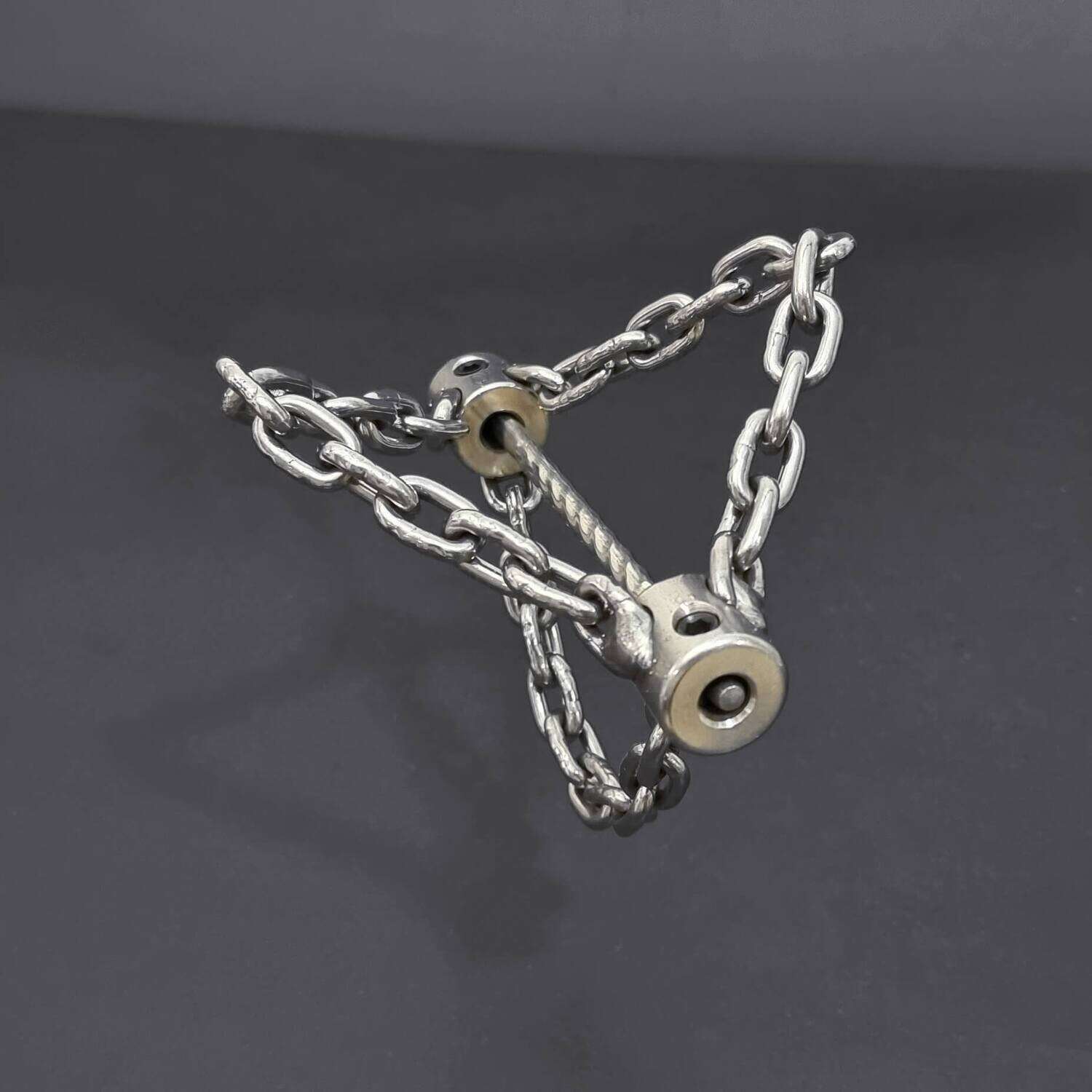
For a drain with channel rot we would suggest using our Lightweight Plain Chains. We also have a video on our channel showing the different types of Lightweight Chains.
Cast iron is tougher than PVC, but a damaged cast iron pipe still benefits from a controlled approach. For lighter scale, a smaller drain chain that matches the pipe diameter may be enough to clean the surface and improve the camera view. Where there is heavier build-up, it is usually better to begin gently and see how the pipe responds.
The chain should be centered in the line and matched to the type of deposit. A chain that is too large or too aggressive can strike exposed edges, hang in a deep channel or put unnecessary force on a weakened area. Starting with the least aggressive option gives you room to increase the cleaning diameter if the pipes condition allows it.
Once the camera has shown that cleaning is reasonable, work in short sections instead of trying to clear the full line in one pass. This gives you a better feel for what the drain chain is doing and makes it easier to stop if something changes.
A steady pace is usually more useful than extra speed or pressure. If the chain begins to chatter, pull strongly to one side or load the drill heavily, it is worth pausing and checking the setup. The pipe condition, chain size or type of scale may call for a different approach.
Withdrawing the chain from time to time can also help. It allows loose debris to move, lets you inspect the cutting surfaces and reduces the chance of material packing around the chain. On a difficult cast iron drain, a quick camera check between passes can show whether you are cleaning the pipe wall or simply working the same material in one place.
Drain chains can be useful for maintenance cleaning, but they cannot rebuild a pipe that has lost too much of its wall. If the camera shows a deep open channel, loose sections, sharp breaks or areas where the chain repeatedly catches, it may be time to stop cleaning and talk through repair options.
That conversation is easier when the line has been inspected properly. The customer can see the condition of the pipe and understand why more cleaning would not solve the underlying problem. In some cases, cleaning is still worthwhile for restoring short-term flow or preparing the line for a repair. In others, it may be better to leave the damaged area alone.
After using drain chains in a worn cast iron pipe, take a moment to check the links, hubs, set screws and connection to the shaft. Scale, grease and stringy debris can gather around the cutting surfaces and make the chain less effective on your next job.
Cleaning the chain while residue is fresh is generally much easier than leaving it until later. Look for stretched links, loose screws, rounded cutting surfaces or damage at the connection. A quick check after the job helps keep the tool ready and gives you a clearer record of how the pipe responded to cleaning.
Drain chains can be a practical option for selected cast iron pipes with channel rot, provided the line has been inspected first and the cleaning stays controlled. A camera, the right chain size and a willingness to stop when the pipe condition calls for it can make the job safer and more useful for everyone involved.
After drain descaling it is tempting to stop as soon as the camera shows a cleaner pipe wall. However, the scale, rust, grease and other
Hydro jetters and flexible shaft machines are both powerful tools for professional drain cleaning, but they work in very different ways. A jetting machine uses
Introduction When working with professional drain cleaning equipment, transporting and handling flexible shafts can quickly become a challenge, especially when dealing with longer, heavier cables.
Introduction When it comes to drain cleaning, having the right machine can make a huge difference. Whether you’re clearing kitchen lines, tackling bathroom blockages, or
 Български
 Hrvatski
 Čeština
 Dansk
 Nederlands
 English
 Eesti
 Français
 Deutsch
 Ελληνικά
 Magyar
 Italiano
 Lietuvių kalba
 Polski
 Português
 Română
 Slovenčina
 Slovenščina
 Español
 Svenska